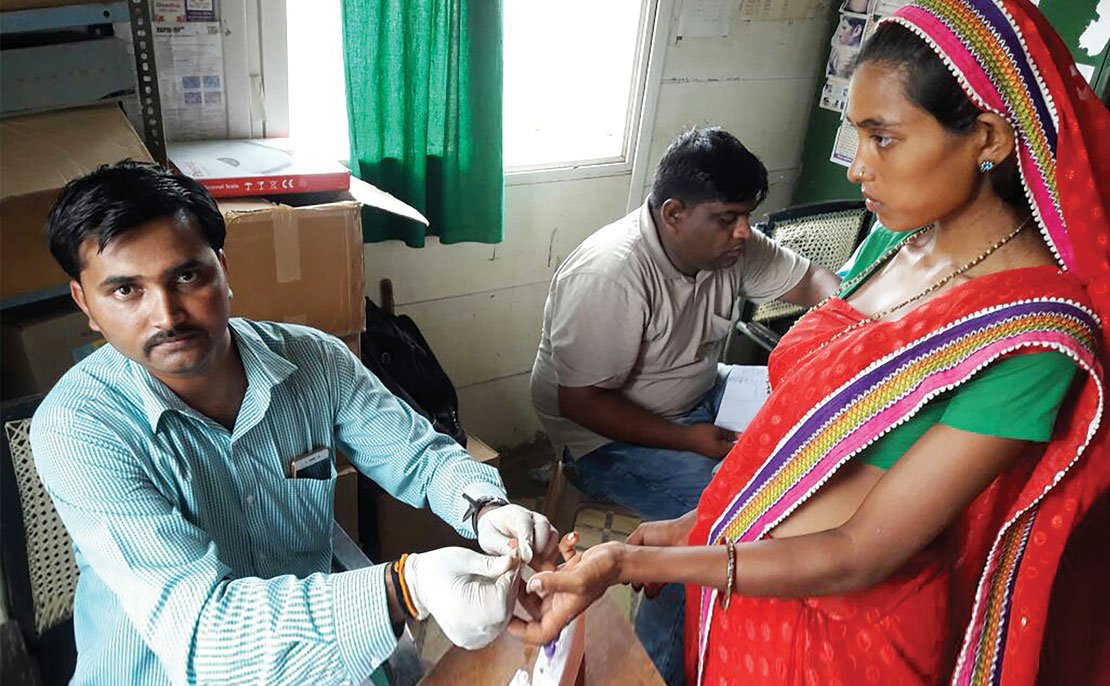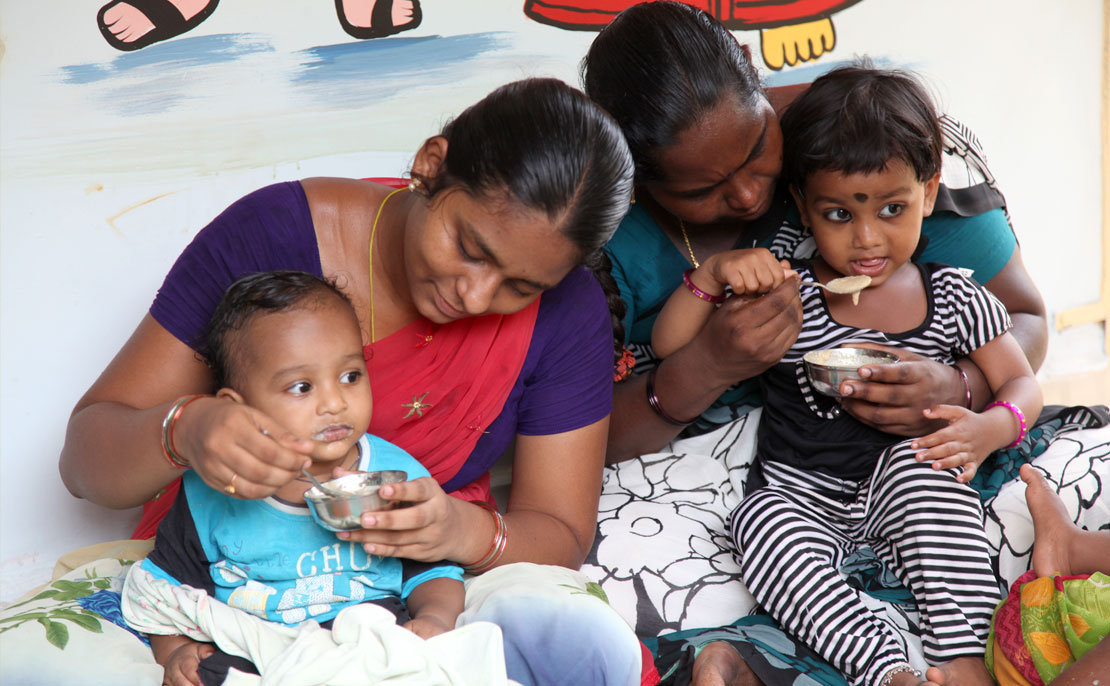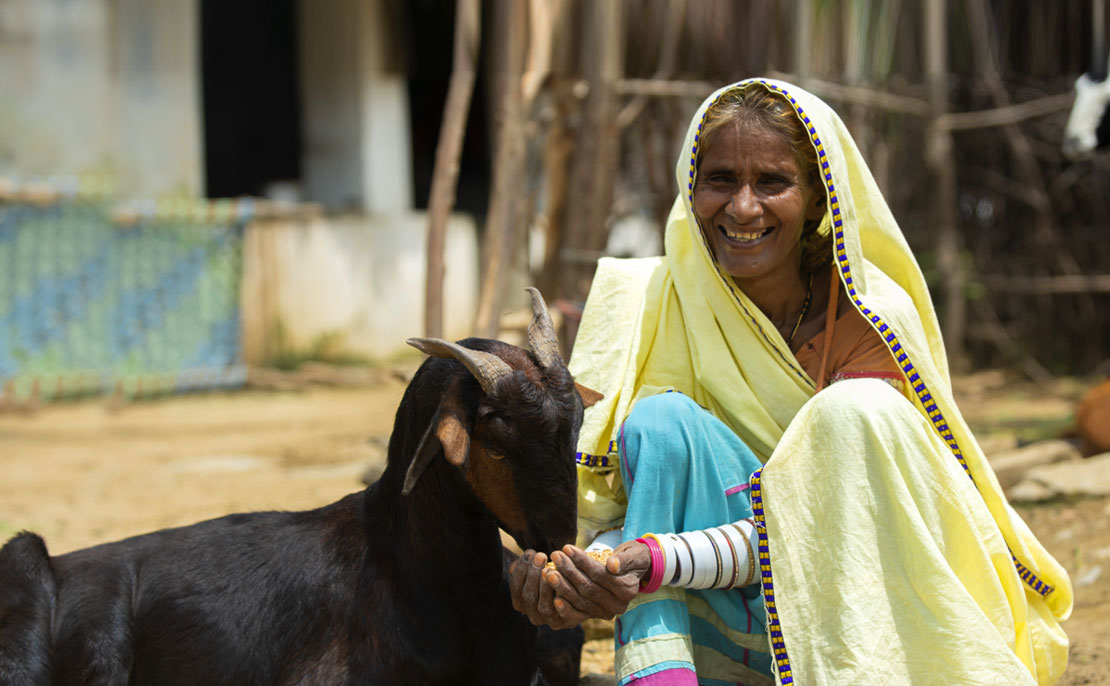
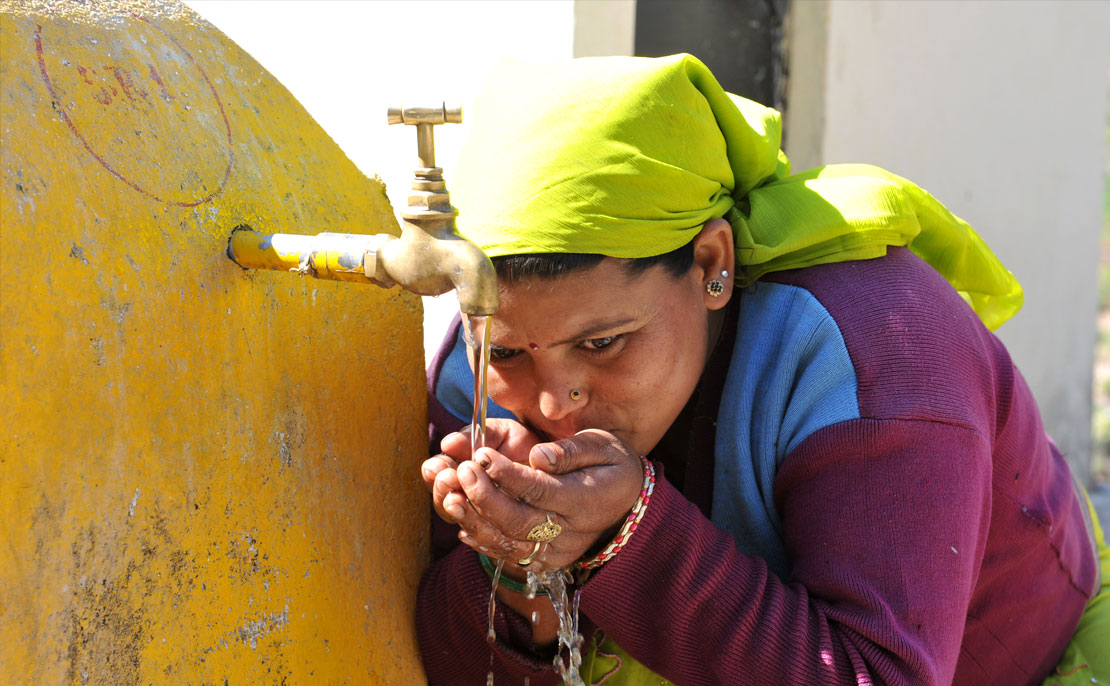
Overview According to the new WHO/UNICEF joint monitoring programme (JMP), 2.1 billion people worldwide lack access to safe, readily available water. Most of these hail from developing countries and face a daily struggle with scarce water resources and safe drinking water. The issue of scarcity and quality of water cannot be addressed without taking into account sanitation and hygiene as well — the three are collectively known as WASH and their role in public health and sustainable development cannot be over-emphasised. Unsafe hygiene practices are considered one of the major causes for the spread of disease and high rate of child mortality. While the Tata Trusts have been active in water projects for decades, in 2015, they integrated all projects on water, sanitation and hygiene under one umbrella – the Tata Water Mission (TWM) – to provide a holistic solution to communities. The challenge In India, almost 600 million people do not have access to safe drinking water. Less than 35 per cent of Indians get drinking water in their households, forcing women and adolescent girls in rural areas to travel 3-5km each day to fetch water. The situation in Madhya Pradesh, Jharkhand, Orissa and the north-eastern states is far worse, with over 30 per cent of the households located at long distances from water sources. Quality of water is a serious issue. Nearly 34 per cent of Indian states face high levels of water contamination especially in regions with high salinity. It is estimated that 68 per cent of total households and 82 per cent of rural households in India have no access to treated water. Contamination by microbes and harmful substances such as fluoride, arsenic, nitrates, iron and other dissolved solids poses a serious threat to public health in some areas. Such contamination is a result of over-exploitation of ground water, excessive usage of fertilisers, improper disposal of industrial and municipal waste and other human-induced activities. Statistics show that almost 80 per cent of the prevalent diseases in India are waterborne, such as hepatitis A, cholera, typhoid and diarrhoea. Nearly 38 million Indians suffer from waterborne diseases annually and diarrhoea alone kills over 700,000 Indians every year, of which 150,000 are children affected by rotavirus. Open defecation is another challenge especially in rural areas. The government’s Swachh Bharat Mission has led to wide-scale building of toilets but the practice of open defecation continues, leading to unclean conditions which increase the risk of illness. Another important aspect of WASH is menstrual hygiene. Communities where literacy and knowledge levels are low believe in myths and misconceptions around hygiene practices. Nearly 52 per cent of girls are unaware of the biological processes of menstruation and more than 60 per cent of women have no access to menstrual absorbents. The unhygienic use of sanitary products and their inappropriate disposal, coupled with lack of facilities related to WASH, lead to higher instances of infections in rural Indian women. Strategic approach Creating a healthy future for underserved communities through improved access to safe, assured and adequate drinking water along with improved sanitation and hygiene has been a focus area for Tata Trusts.
Copyright 2021 Yashaswini Foundation.